03A / DIGITAL COMMERCE
REAL MARKET PRESENCE
Products are presented through live commerce environments rather than remaining as a concept. The focus is on building repeatable systems for product launch, visual merchandising and customer access.
KANDA is a long-term fashion project built from formal fashion design education, hands-on product development and real market operations in Korea. The next objective is not simply to sell more products — it is to build a recognizable Korean fashion identity that can travel with the global digital and crypto community.
The project begins with design. Before KANDA became a commercial brand, its foundation was built through approximately five years of formal fashion design study and professional training. The objective was to understand clothing not only as an object, but as a system of silhouette, material, styling and identity.
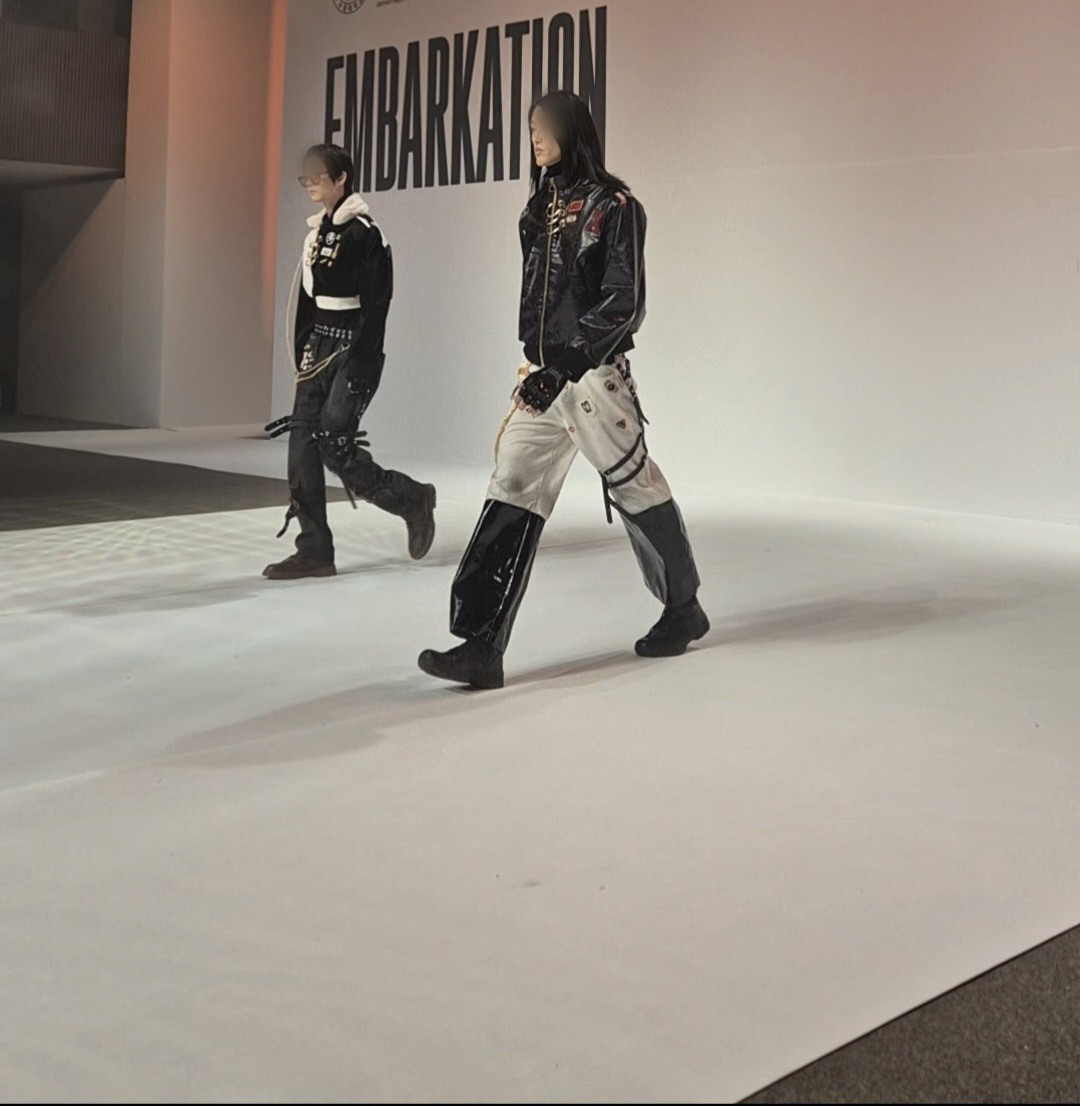
Education became execution. During the process of building the business, design concepts, garment ideas, visual direction and product development were turned into actual project work. KANDA treats this stage as a product laboratory: test an idea, refine the form, produce it, present it and learn from the market.
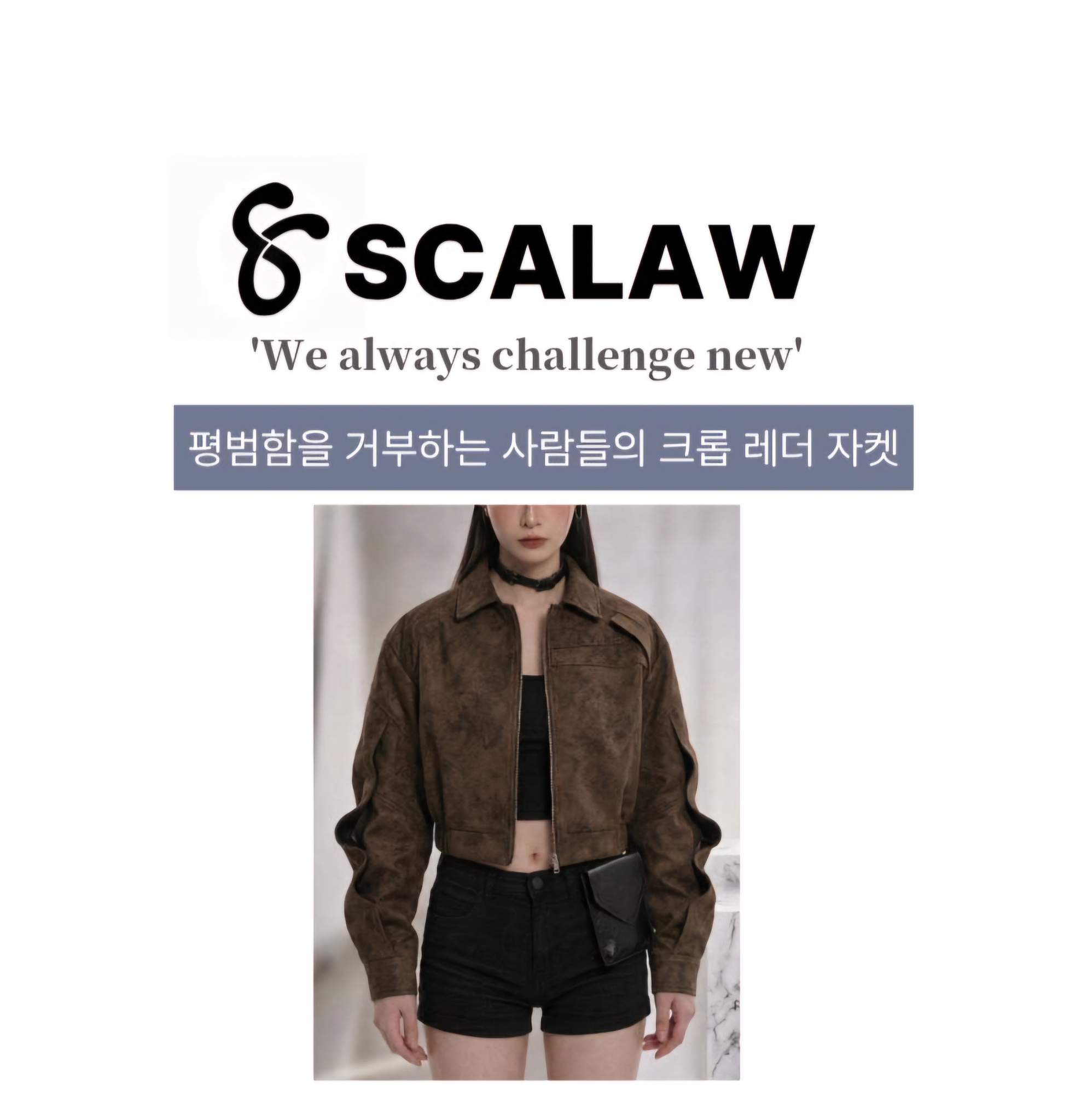
From concept sketches and visual research to styling and product presentation, the work is structured around one principle: a product should carry a clear point of view. This is the bridge between a designer's education and an operating brand.
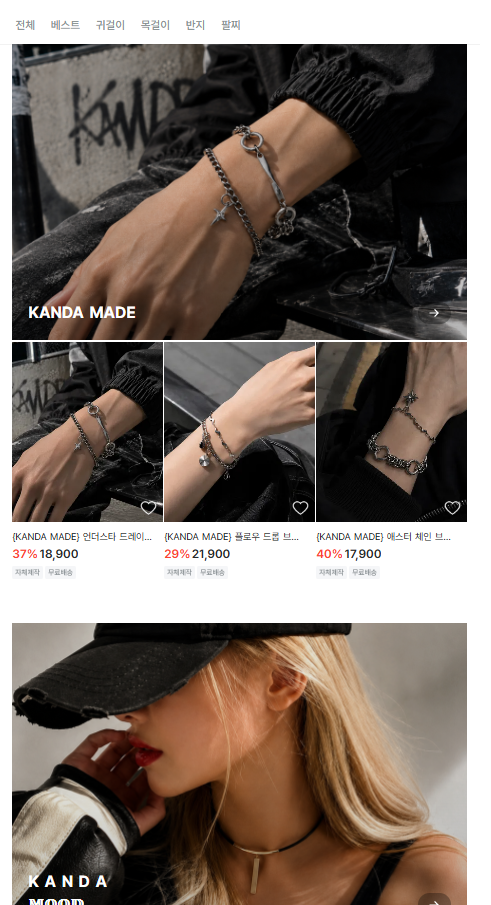
KANDA is already moving beyond the idea stage. The brand has been developed and operated through multiple Korean commerce channels, with product planning, visual production, listing, customer-facing presentation and fulfillment handled as an actual business workflow. These operating experiences form the commercial base for the next phase.
Products are presented through live commerce environments rather than remaining as a concept. The focus is on building repeatable systems for product launch, visual merchandising and customer access.
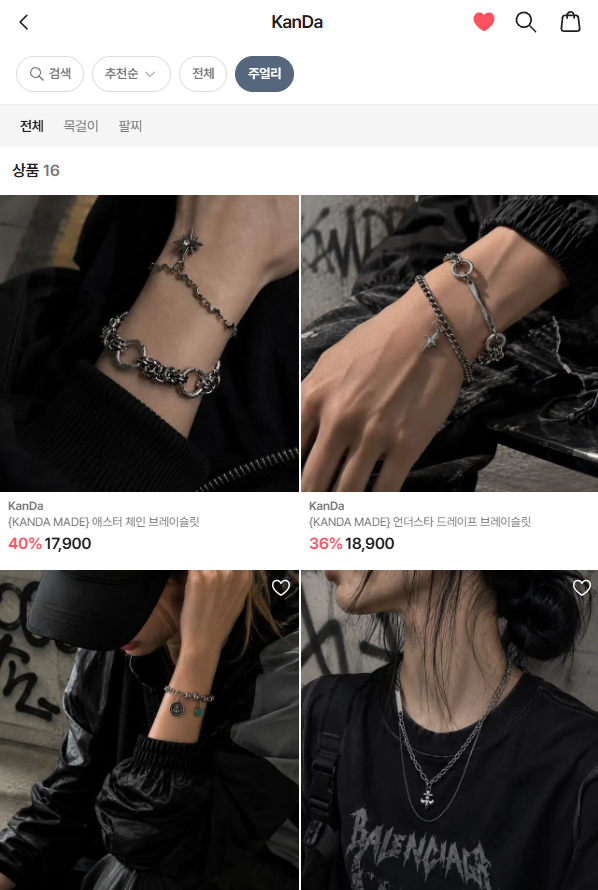
Multiple platform operations provide practical experience in pricing, product presentation, platform management and direct-to-consumer execution — the groundwork required before entering overseas markets.
The next product direction is already being prepared. KANDA is exploring fashion objects designed around the practical needs, visual language and lifestyle of people active in crypto and the wider digital economy. The initial focus includes eyewear, sunglasses and accessories — products intended to function as everyday objects while carrying a distinct KANDA identity.
Eyewear concepts built around daily wear, identity and a clean technical silhouette.
Sunglasses concepts designed for movement, travel, events and the visual culture of the crypto community.
Small physical products that can extend KANDA beyond apparel and into a broader lifestyle system.
Community feedback becomes a product input: identify a need, prototype it, test it and refine it.
The project is organized as a progression rather than a single launch. Each phase creates the conditions for the next: design capability, product development, domestic validation and finally international expansion.
Formal fashion design education, design language and professional creative training.
Develop products, visual assets and brand systems through hands-on project work.
Operate through Korean commerce platforms and build a repeatable commercial workflow.
Introduce KANDA products to international customers through a digital-first fashion ecosystem.
KANDA's long-term objective is to connect fashion with the culture of people who live, trade and create in the digital economy. The vision is to develop sunglasses, eyewear and other fashion products designed around the needs and aesthetics of the global crypto community — then introduce those products beyond Korea as a recognizable KANDA identity.
Rather than treating $KHODL as a standalone digital asset, the project aims to build a broader brand ecosystem where digital culture, fashion and physical products can meet. The destination is global: Korea as the foundation, international markets as the next stage.